Some materials only work when they are warm. Oils thicken, resins turn to treacle, adhesives refuse to flow and some liquids simply freeze in the drum on a cold night. The result is the same wherever it happens: a production line waiting for material that will not pour, pump or spray the way it should.

Every coating line, motor repair shop and fabrication plant eventually faces the same problem: something that was useful is now in the way. Paint builds up on hooks and racks until they stop conducting properly. Old varnish and insulation sit around the windings of a motor that needs rebuilding. Plastic, grease and residue cling to tooling that has to go back into production. Scraping, grit blasting and chemical stripping all work, but they are slow, messy, labour-heavy and often hard on the part underneath.

Every composite part begins life as a soft, tacky combination of fibre and resin. It only becomes the strong, lightweight material that ends up in aircraft, boats and racing bicycles when the resin cures, and curing is a chemical reaction that is controlled almost entirely by heat. Get the temperature, the timing or the cooling wrong and the part can look perfect but fall short on strength.

When most people specify an industrial oven, they start with the temperature. It is the number everyone understands: 250°C for a paint stoving oven, 500°C for a heat treatment cycle, 850°C at the top of the JLS range. Temperature is important, but on its own it tells you surprisingly little about how an oven will actually perform in your factory.
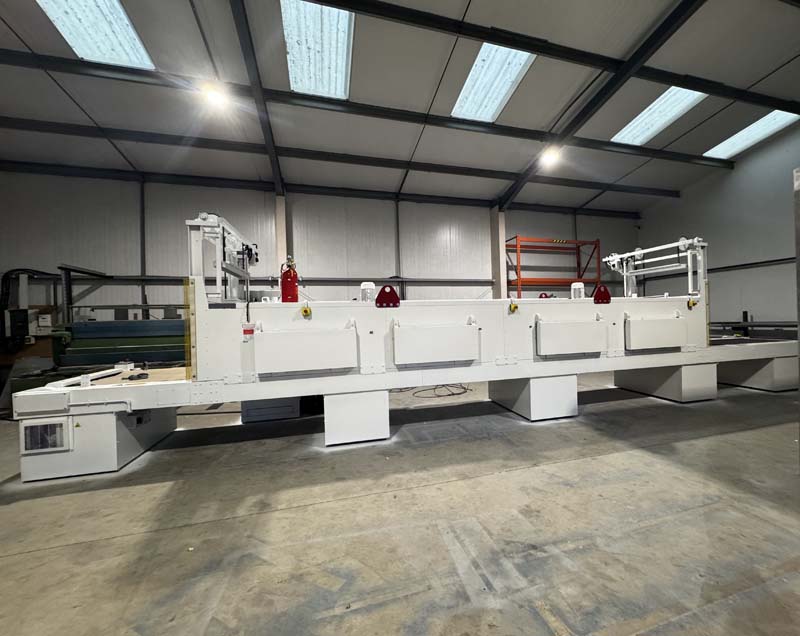
JLS Ovens recently manufactured a modular forced‑air circulation conveyor oven, capable of reaching temperatures up to 150°C and finished in a brilliant white. The system delivers consistent thermal performance, flexible configuration options, and a clean, high‑quality exterior ideal for industrial environments.
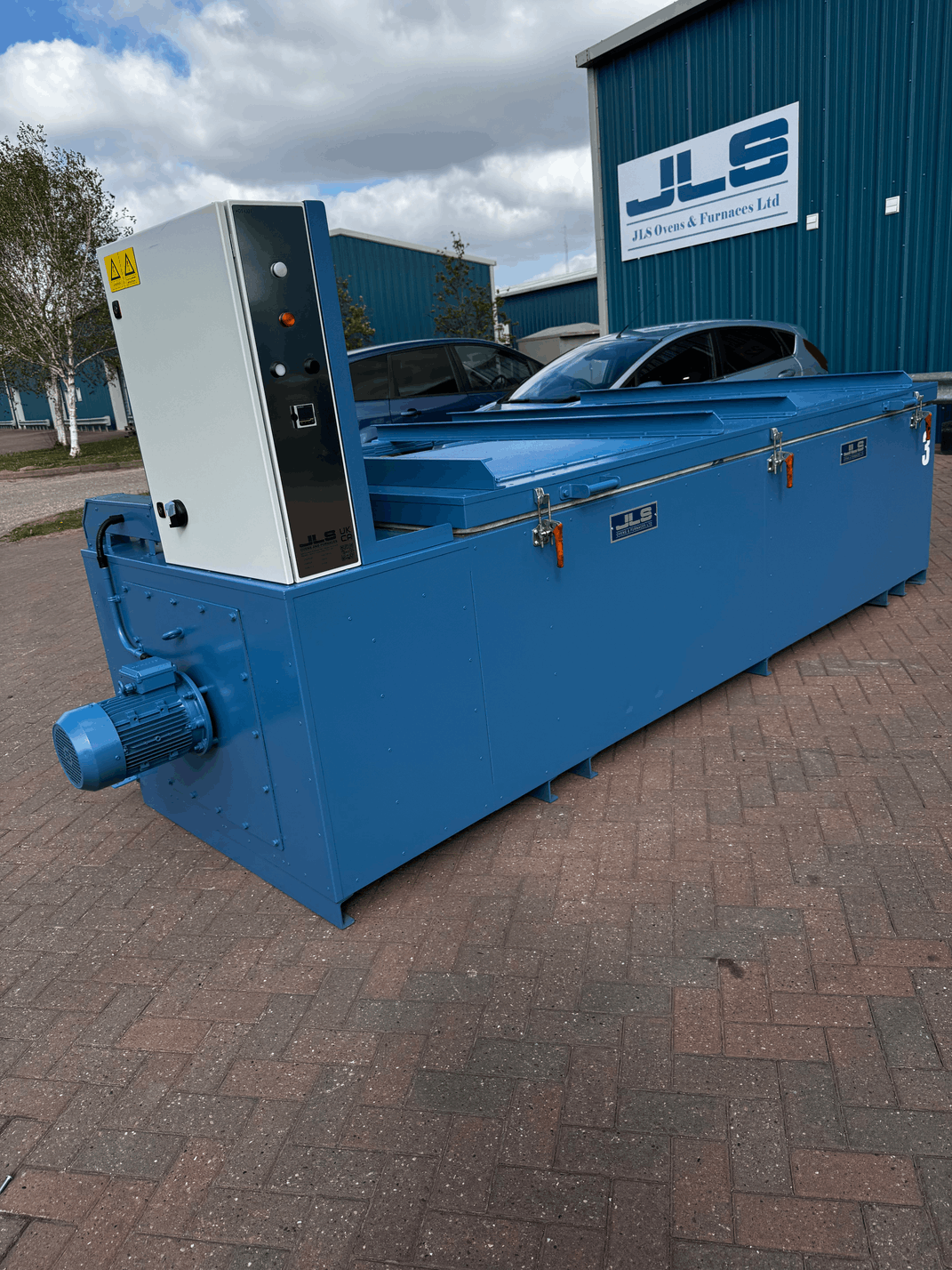
JLS Ovens recently manufactured a modular forced‑air circulation conveyor oven, capable of reaching temperatures up to 150°C and finished in a brilliant white. The system delivers consistent thermal performance, flexible configuration options, and a clean, high‑quality exterior ideal for industrial environments.
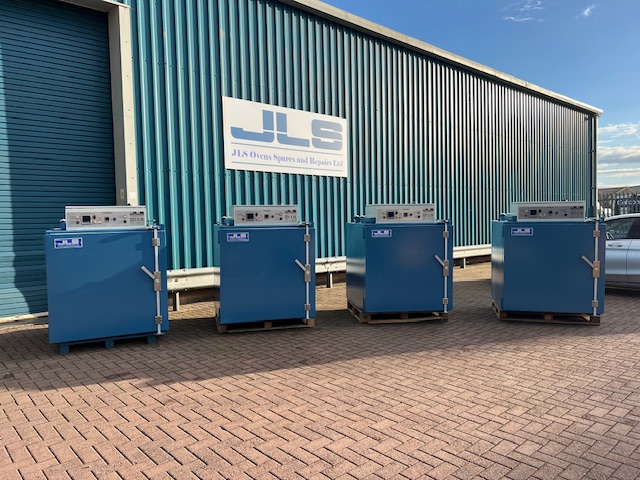
JLS has successfully completed the production and delivered of four HL-38-250 hotline electrically heated ovens, each capable of reaching temperatures up to 250°C. These ovens have been finished in our signature blue paint, which is well recognized for its quality and durability

Six months ago, we were thrilled to share our success in acquiring Unit 3. Today, we are even more excited to announce that we have taken on yet another unit, marking another significant milestone in our growth journey.

Today, we had the pleasure of completing the production and delivery of a Model VFO electrically heated, forced air circulation oven. This oven is designed to reach temperatures up to 325°C.


On Monday, we successfully delivered one of our latest builds, a beautiful blue, electrically heated forced air circulation oven temperature ranging between 50°C to 250°C, with dimensions of 2000mm High, 1500mm Wide and 1800mm Deep.

We are thrilled to share that we have recently expanded once again, moving into an even larger unit to accommodate our growing needs and ambitions.

We are pleased to share the exciting news that JLS has successfully completed the installation of one of our bottom loader quench ovens at the Kenya Airways repair facility in Nairobi.

This oven was designed, built, and tested at our factory in Lincolnshire. This oven was for the heat treatment of high-end carbon fibre fishing rods which must be stood upright during the curing process.

We are pleased to share the recent delivery of one of our HL-24 ovens, which has been providing reliable heat treatment services for over 25 years. This particular oven was due for a comprehensive overhaul and service to ensure it continues to operate at peak performance for our valued customer.

Industrial Ovens are specialised pieces of equipment that are designed to achieve high temperatures. This is for applications such as heat treating, metal conditioning, and curing coatings. These ovens generally fall into two main categories: batch and continuous.

In Boston, Lincolnshire—a town where the number of sickness benefit claimants has risen faster than anywhere else in the UK—Lesley and Kevin Trott run JLS Ovens and Furnaces. The couple manages a thriving business with 15 busy employees and ambitions for growth. However, their plans are being hindered by an unexpected obstacle: they can’t recruit a trainee metal worker, despite offering a competitive salary of £26,000.

Advanced Composites have over 200 years experience in the manufacture of Composite materials that have delivered everything from components for Rally Cars to Vacuum cleaners.
During early 2024, JLS Ovens and Furnaces Ltd designed and built an oven to cure carbon fibre products which needed to be cured standing on end. The parts being heat treated were over 3 meters.

At JLS Ovens and Furnaces, we specialise in designing and building customised industrial ovens that meet the specific needs of different industrial processes. These ovens are very important in industries like aerospace and food production. They help control heat precisely, which affects product quality, safety, and efficiency.

NADCAP (National Aerospace and Defence Contractors Accreditation Program) is a crucial accreditation for manufacturers and service providers who work with aerospace and contractors. Established and managed by the Performance Review Institute, the program ensures conformity to quality standards and technical requirements across various special processes.